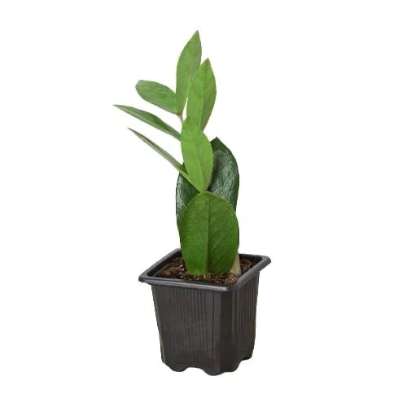
Zamioculcas Zamiifolia ZZ 4” NURSERY POT ONLY
Zamioculcas Zamiifolia ZZ 4” NURSERY POT ONLY
Couldn't load pickup availability
- Botanical Name: Zamioculcas zamiifolia
- Common Names: ZZ plant
- Description: Zamioculcas Zamiifolia also known as the ZZ Plant adds to any interior space with its unique growth pattern. Its low water requirements and drought tolerance handle well in many environments. (dry and humid) The drought-tolerant ZZ plant is a wonderful addition to low-light situations in homes and offices, but all parts of this plant are poisonous. Keep it away from children and pets.
Ah, the ZZ plant, also known as Zamioculcas Zamiifolia! It's a popular choice for indoor plants due to its attractive glossy leaves and low-maintenance nature. The ZZ plant is native to Eastern Africa and is known for its ability to tolerate a variety of light conditions and watering schedules. Here are some tips for caring for your ZZ plant:
1. Lighting: ZZ plants can tolerate a wide range of lighting conditions, from low light to bright, indirect light. However, it's best to avoid direct sunlight as it can scorch the leaves. Place your ZZ plant near a window with filtered light or in a well-lit room.
2. Watering: ZZ plants have thick, fleshy rhizomes that store water, making them drought-tolerant. Water your ZZ plant when the top inch of soil feels dry to the touch. It's better to underwater than overwater, as ZZ plants are prone to root rot. Allow the soil to dry out between waterings.
3. Soil: ZZ plants prefer well-draining soil. A good potting mix for ZZ plants consists of equal parts of regular potting soil, perlite, and sand. This will help prevent waterlogged soil and promote healthy root growth.
4. Temperature and Humidity: ZZ plants are adaptable to a range of temperatures, but they prefer temperatures between 65-75°F (18-24°C). They can tolerate lower temperatures, but avoid exposing them to cold drafts. ZZ plants are also tolerant of low humidity levels, making them suitable for various indoor environments.
5. Fertilizing: ZZ plants are not heavy feeders, and they can thrive without frequent fertilization. You can use a balanced, water-soluble fertilizer diluted to half strength during the growing season (spring and summer). Apply the fertilizer every 2-3 months.
6. Maintenance: ZZ plants are relatively low-maintenance. Remove any yellow or brown leaves to keep the plant looking tidy. You can also wipe the leaves occasionally with a damp cloth to remove dust and keep them shiny.
The ZZ plant is a resilient and visually appealing plant that can bring a touch of greenery to your space with minimal effort. Enjoy the beauty of your ZZ plant! 🌿
Share